
We teach documentary editing as a technical craft
Founded in 2021, Pevlamiso emerged from a simple observation: documentary editing requires specific technical knowledge that most general editing courses skip over entirely.
Why we focus on documentary work
Documentary material presents challenges you won't encounter in scripted content. You're working with hours of unstructured footage, interviews that meander, scenes without clean entry and exit points. The editing decisions differ fundamentally from narrative work.
Most editing instruction assumes you have a script to follow. Documentary editors build the story structure itself during the editing process, making decisions about pacing, information flow, and narrative arc while working directly with the raw material.
We teach the technical approaches that make this process manageable: how to organize large amounts of footage efficiently, techniques for maintaining viewer attention without manufactured drama, methods for handling imperfect audio conditions that are standard in documentary shoots.
What guides our instruction
Practical application
Every technique we cover comes with specific use cases from actual documentary projects. You learn when to apply each method, not just how it works in theory.
Honest limitations
We explain what editing can and cannot fix. Some problems need to be addressed during shooting. Understanding these boundaries helps you work more efficiently.
Tool-agnostic approach
The core editing principles work regardless of software. We focus on decision-making processes that transfer across different editing platforms.
Who teaches these courses
Our instructors work regularly on documentary projects. They understand the specific technical challenges because they encounter them in their own editing work.
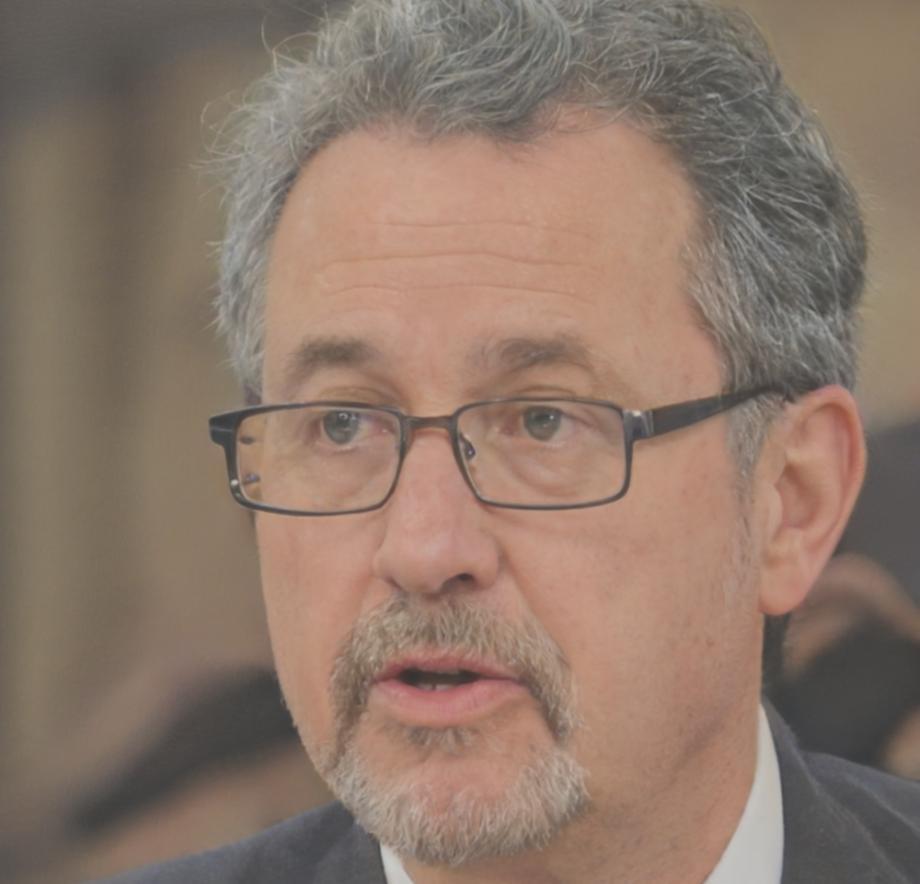
Taras Volkov
Lead Instructor
Edited documentary features for seven years before starting to teach. Specializes in long-form interview material and archival integration.
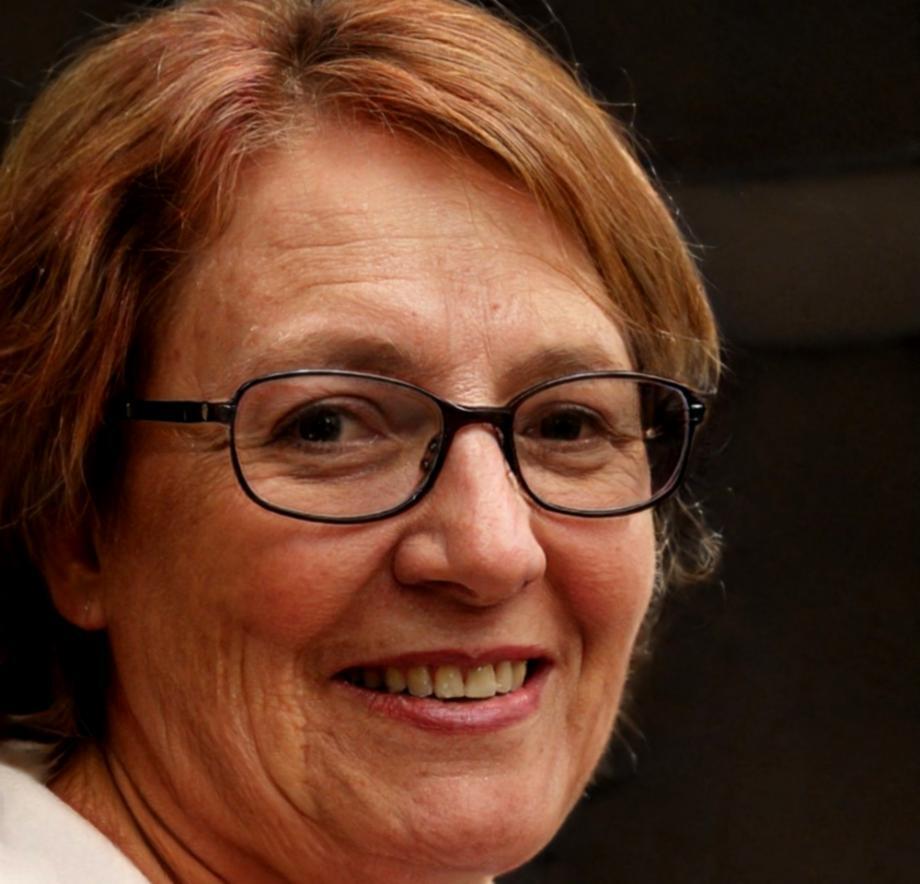
Oksana Shevchenko
Technical Instructor
Focuses on workflow optimization and audio repair techniques. Previously worked on documentary series requiring fast turnaround times.
How we structure the learning
The courses move from organizing material through final delivery, following the actual workflow of documentary post-production.
Foundation techniques
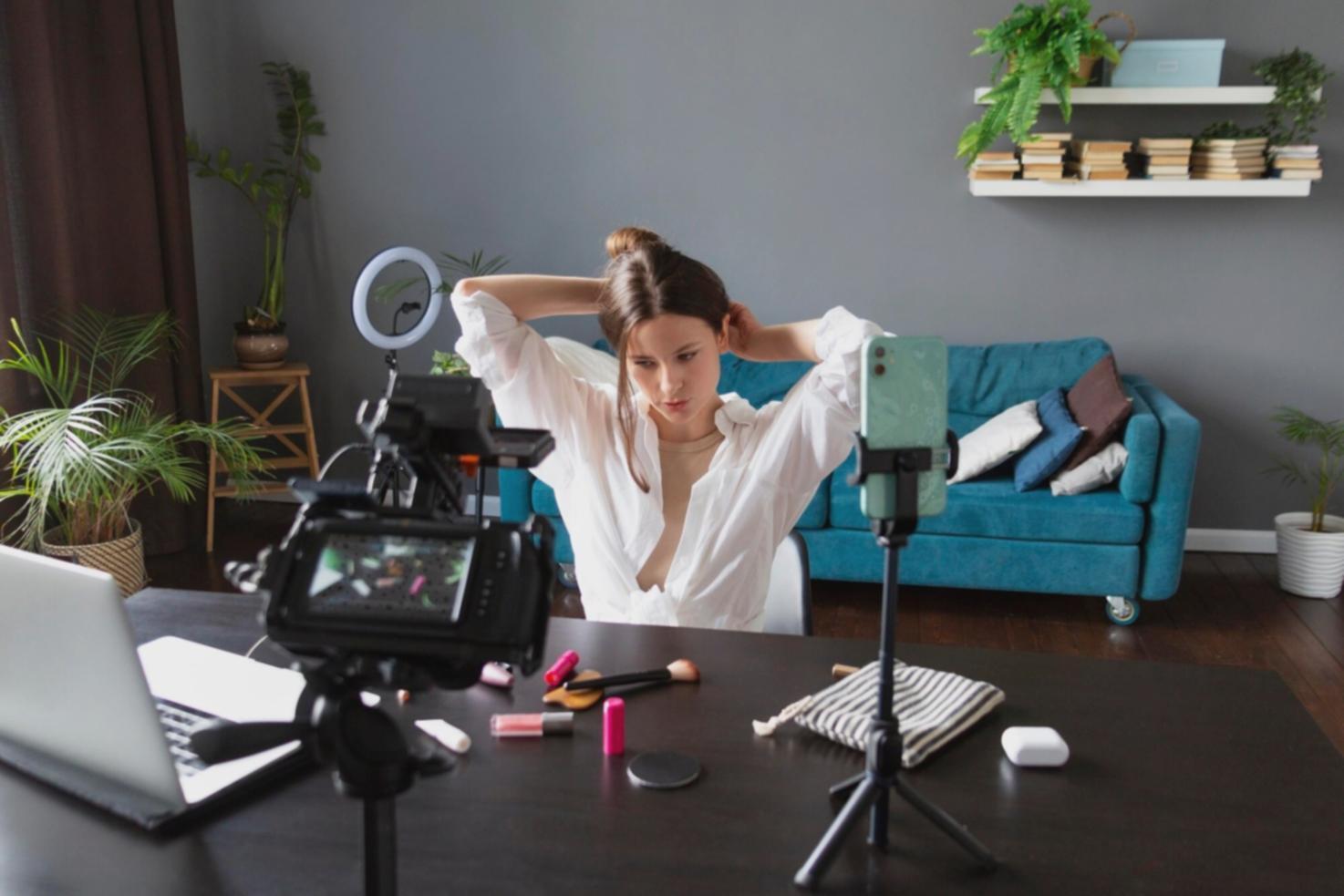
We start with footage organization systems that scale to large projects. You learn bin structures, naming conventions, and metadata approaches that prevent the common problem of losing track of specific clips in extensive archives.
Assembly methods
Documentary editing involves creating multiple assembly versions before reaching a rough cut. We cover efficient techniques for trying different structural approaches without creating organizational chaos in your timeline.
Refinement process
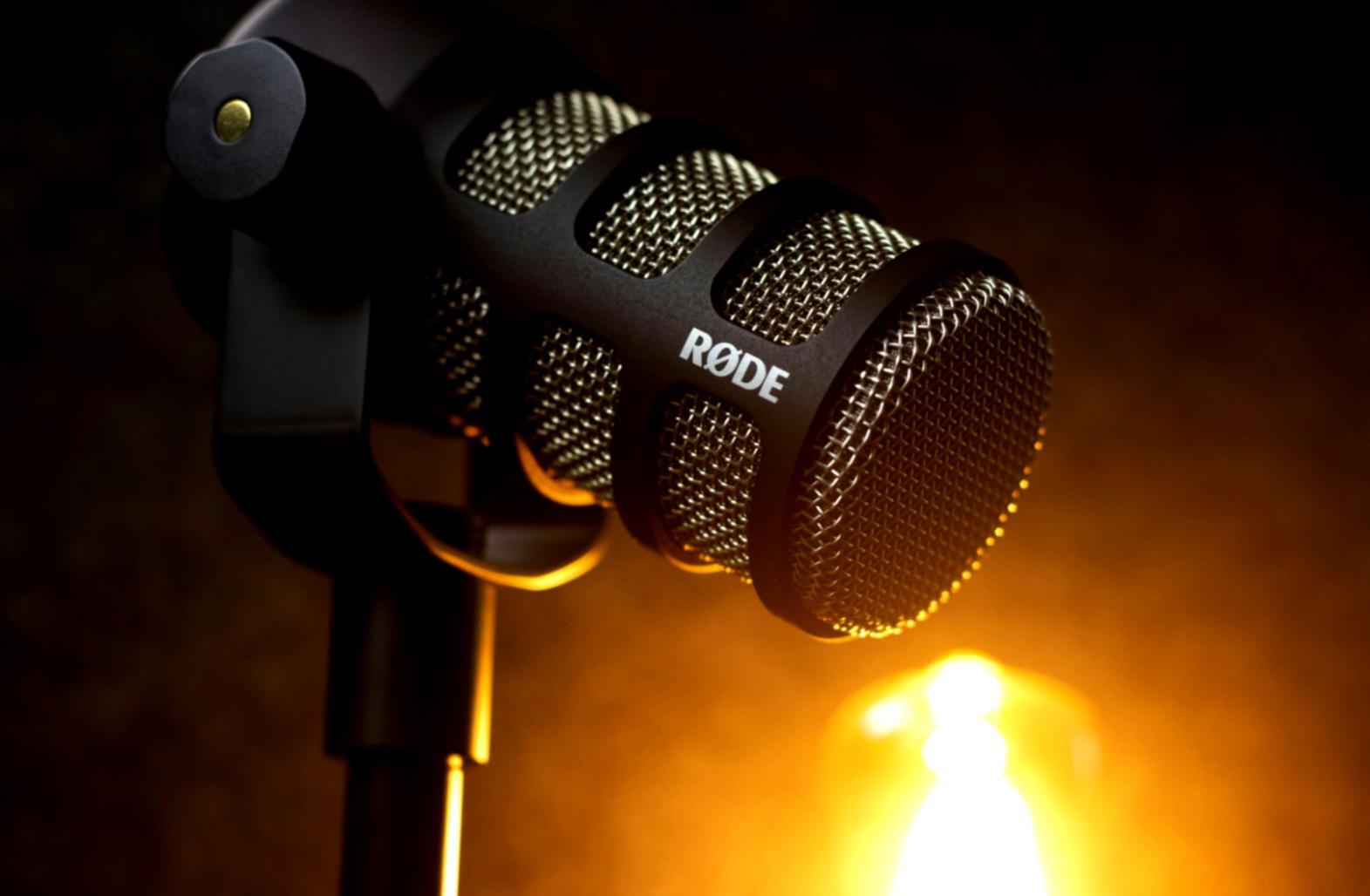
The final stages focus on pacing adjustments and audio refinement. You learn how to identify sections that slow momentum and techniques for improving interview audio recorded in less-than-ideal acoustic environments.